

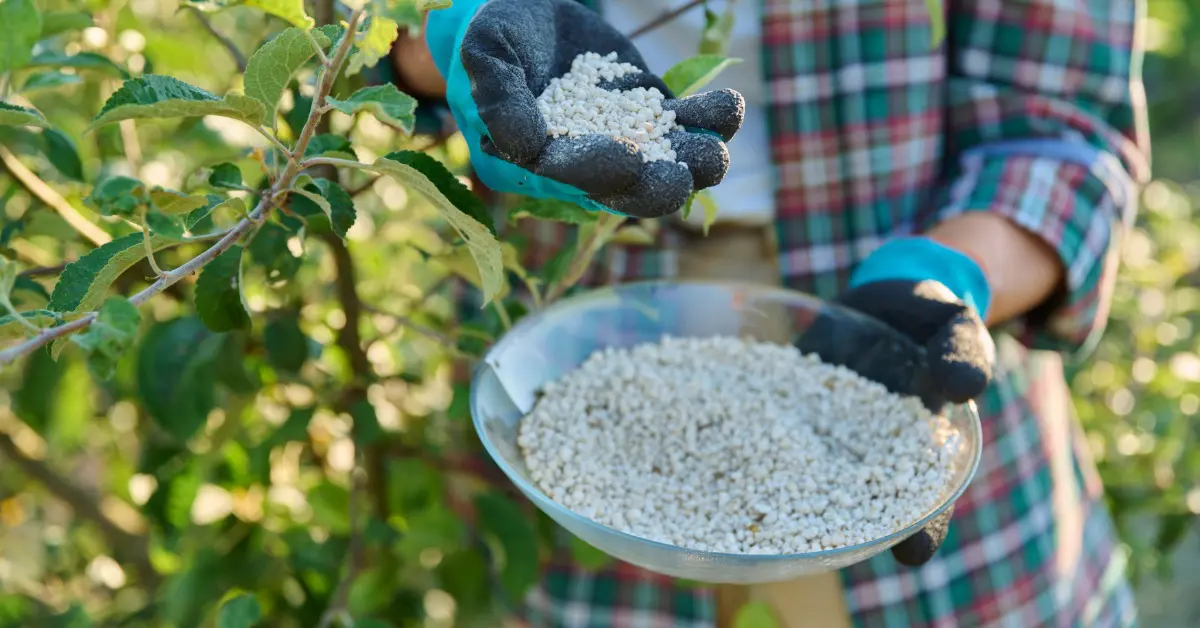
Tree growth begins to shift as temperatures rise, with root systems becoming more active, and nutrient demands increase. After winter dormancy, soil conditions can limit access to nutrients, especially when compaction or seasonal depletion affects how roots function.
Understanding spring fertilization strategies for trees provides a structured way to support steady development while accounting for soil composition, species needs, and environmental factors. Each method contributes to nutrient availability and balanced growth, particularly when timing and application methods align with how trees respond during early-season transitions.
1. Start With Soil Testing Before Any Application
Soil composition varies widely across properties, which makes testing an essential starting point before introducing fertilizers. Without a clear understanding of nutrient levels, applications can miss deficiencies or introduce imbalances that affect long-term growth patterns. This step establishes a baseline that guides every decision that follows.
Testing can reveal issues such as low nitrogen levels, pH imbalance, or compacted soil conditions that restrict nutrient movement. When you identify these factors early, you can make adjustments that improve how effectively roots absorb your applications. A more targeted routine reduces waste while aligning fertilization with actual tree needs.
2. Apply Fertilizer Early in the Growing Season
Early spring marks a transition period when trees begin moving out of dormancy and into active growth. During this stage, roots become more responsive to available nutrients, which creates an opportunity to influence development at both the root and canopy levels. Timing applications during this window allow nutrients to integrate into natural growth cycles.
Applying fertilizer too late can push growth in ways that do not match seasonal patterns, leading to weaker structure or uneven canopy expansion. Early applications, by contrast, support a more balanced response that reflects how trees naturally allocate energy. So, aligning timing with biological activity produces more consistent results.
3. Choose the Right Fertilizer Type for Tree Needs
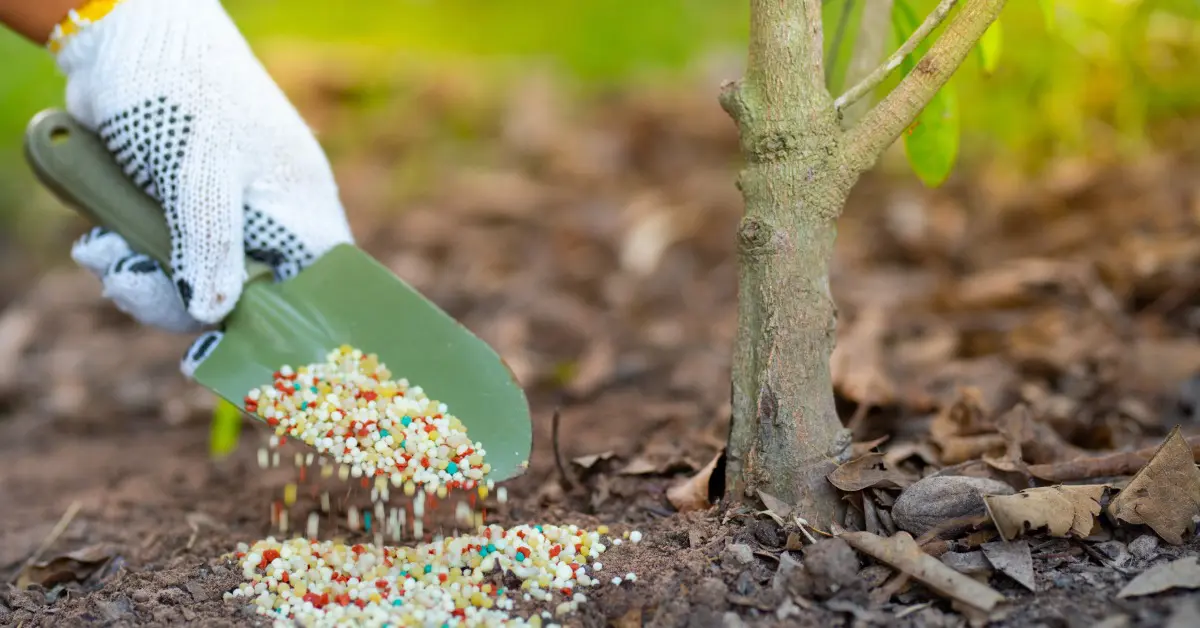
Fertilizer formulations vary in nutrient ratios and release rates, which means selection should reflect both soil conditions and the specific requirements of each tree. Some species respond more effectively to slow-release nutrients, while others benefit from formulations that address targeted deficiencies. Choosing without this context can limit effectiveness.
When you apply the wrong type, roots may not absorb nutrients efficiently, or the application may encourage uneven growth that affects long-term structure. Matching fertilizer type to both the tree and the soil create a more controlled outcome that supports steady development. This level of precision becomes more important as trees mature and conditions change.
4. Use Deep Root Feeding for Better Absorption
Surface-level applications may not consistently reach the zones where roots actively absorb nutrients, particularly in soils that have become compacted. Deep root feeding introduces nutrients directly into the root zone, which allows for even distribution beneath the surface, and addressing limitations that prevent surface treatments from performing effectively.
By delivering nutrients closer to active root systems, this supports stronger development where it matters most. It can reduce runoff while improving absorption efficiency, especially in areas where soil conditions vary across the property.
5. Avoid Over-Fertilization That Disrupts Growth
Applying excessive fertilizer can create imbalances that affect both soil chemistry and tree development. When nutrient levels exceed what roots can absorb, growth may accelerate unevenly, leading to weaker branches or structural instability. Allowing an imbalance that can become difficult to correct once it takes hold.
Over-application can alter how roots interact with the surrounding soil, reducing their ability to function efficiently. Maintaining a controlled space keeps nutrient levels within a range that supports steady growth, while balanced applications promote durability instead of short-term gains.
6. Adjust Fertilization Based on Tree Age
Nutrient requirements shift as trees mature, which means fertilization strategies should reflect different stages of development. Younger trees require support that encourages structure and root establishment without promoting excessive top growth.

Mature trees, by contrast, benefit from targeted applications that respond to soil conditions and long-term stress factors. Their established root systems interact differently with nutrients, which requires a more measured way of administering them. Adjusting strategies based on age creates consistency in how trees respond to fertilization.
7. Account for Environmental Stress Factors
Spring conditions can fluctuate, with rainfall patterns, temperature swings, and soil moisture levels all influencing how trees absorb nutrients. These variables can either support or limit the effectiveness of fertilization, depending on how they interact with soil structure and root activity. Ignoring these factors can reduce the impact of even well-planned applications.
Monitoring environmental conditions allows adjustments that keep fertilization aligned with real-time conditions. When strategies adapt to changing weather and soil moisture, nutrient uptake becomes more predictable. This responsiveness supports healthier development throughout the season.
8. Combine Fertilization With Ongoing Tree Care
Fertilization produces better results when it works alongside other maintenance practices. Pruning, pest management, and soil care all influence how effectively trees use available nutrients. When you coordinate these elements, each supports the overall condition of the tree.
A combined route creates a more stable environment where nutrients contribute to both structural integrity and long-term vitality. Rather than addressing isolated concerns, this method supports the tree as a whole system, and coordinated care leads to more consistent growth patterns.
9. Schedule Professional Fertilization Services
Working with professionals allows for a more accurate evaluation of soil conditions, tree health, and nutrient requirements before any application begins. This process reduces guesswork and connects fertilization strategies to real conditions, since a detailed assessment creates a more reliable plan.
When considering tree fertilization services, a professional can determine the appropriate timing, method, and nutrient balance for each tree. A high-level evaluation supports long-term development while avoiding unnecessary or ineffective applications. It provides clarity that supports better decision-making.
Planning the Next Step for Seasonal Tree Health
Applying the right fertilization strategies in spring creates a foundation for steady growth throughout the year, especially when timing and methods align with the tree’s natural development cycle. Each way contributes to improved nutrient availability, but results depend on how well those strategies match existing soil and environmental conditions.
Jackson Tree Service provides professional insight backed by decades of experience in the St. Louis area, offering guidance that reflects both local conditions and individual tree needs. If your trees show signs of slow growth or nutrient deficiency, applying these spring fertilization strategies for trees alongside professional services can support healthier, more balanced development.