

Trees can add structure and shade to a property, but there are times when their condition shifts in ways that are not always obvious. Subtle changes in growth patterns, stability, or branch structure may signal deeper issues developing below the surface, especially in areas that experience seasonal storms and fluctuating soil conditions. Recognizing these changes early can prevent damage to surrounding structures and reduce safety risks.
Understanding the signs it’s time to schedule professional tree removal requires considering how a tree interacts with its environment. Knowing how to distinguish between the two helps property owners make informed decisions before conditions worsen.
1. Noticeable Lean That Continues To Worsen
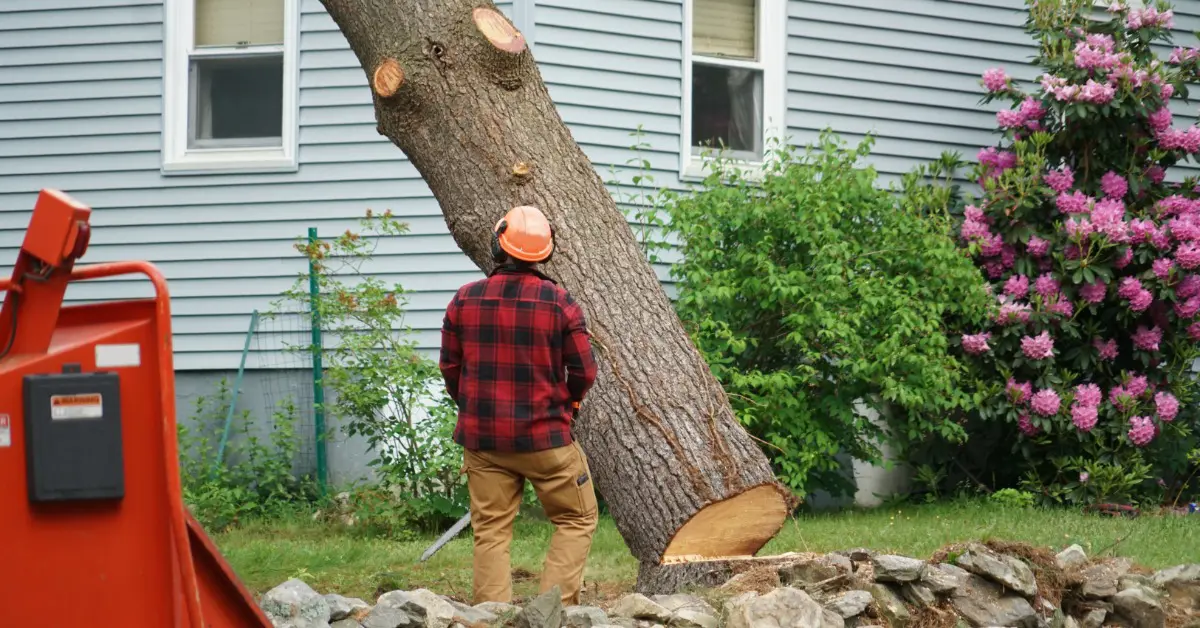
A slight lean can develop naturally with time, particularly in trees that grow toward sunlight or adapt to surrounding conditions. However, when that lean becomes more pronounced or shifts suddenly after a storm, it may indicate compromised root support beneath the surface. Soil upheaval around the base or exposed roots further suggest that the tree is no longer anchored securely.
As the angle increases, weight distribution changes, placing stress on both the trunk and the root system in ways that can accelerate structural failure. This imbalance raises the likelihood of collapse during wind events or saturated soil conditions, especially when the tree has already begun to shift. Early evaluation in these situations can determine whether stabilization is possible or if removal is the safer course of action.
2. Large Cracks or Splits in the Trunk
Deep vertical cracks or visible splits in the trunk signal structural weakness that routine maintenance cannot reverse. These openings may extend into the core of the tree, reducing its ability to support its own weight while limiting its capacity to respond to environmental stress.
When splits expand alongside symptoms like canopy thinning or limb dieback, the tree’s internal integrity may already suffer damage beyond recovery. In these cases, the risk of sudden failure increases without much warning, particularly during high winds or heavy precipitation. Removal becomes a more predictable and controlled solution compared to waiting for further deterioration.
3. Extensive Dead or Falling Branches
Pruning addresses a few dead limbs, but widespread branch death typically points to a larger issue affecting the tree’s overall health. As deadwood accumulates, the risk of falling branches increases, especially when wind or moisture adds additional weight to already weakened limbs. This creates ongoing hazards for structures, vehicles, and anyone moving through the area.
In more advanced stages, limbs may drop without warning, even in calm conditions, due to internal decay or loss of structural support. When dead branches appear throughout the canopy rather than in isolated sections, the problem extends beyond what selective trimming can correct. At that point, removal may present a more reliable way to eliminate risk.
4. Visible Signs of Decay or Hollow Areas
Cavities, soft spots, or fungal growth on the trunk indicate internal decay that weakens structural strength from within. While the exterior may still appear intact, the interior can deteriorate to the point where the tree can no longer support its own weight effectively. This hidden damage makes it difficult to assess stability without a closer inspection.
Hollow sections reduce the tree’s ability to withstand external pressure, particularly during storms or heavy winds that place added strain on compromised areas. Because decay progresses internally before becoming visible, surface indicators usually mean the issue has already advanced.
5. Root Damage or Soil Disturbance
Roots anchor a tree and provide access to water and nutrients, so damage in this area can affect both stability and long-term health. Construction activity, soil compaction, or erosion may disrupt root systems, leaving the tree unable to maintain proper balance even if the canopy still appears full. Changes in soil level or texture around the base can further indicate underlying instability.
Indicators, such as raised soil, severed roots, or fungal growth, near the base suggest problems that extend beyond what is visible above ground. When root integrity declines, the tree becomes more vulnerable to shifting during storms or after heavy rainfall. This loss of support can quickly turn a stable tree into a hazard.
6. Repeated Storm Damage
Trees that sustain damage during multiple storms can develop cumulative structural issues that are not immediately visible. Broken limbs, partial splits, and stress fractures can weaken the tree, even if it appears to recover between events. Each storm adds pressure to already compromised areas, gradually reducing the tree’s ability to remain stable.
As damage continues to accumulate, the margin for failure becomes smaller, especially when severe weather returns. What might begin as minor breakage can evolve into larger structural concerns that affect the entire tree. In these cases, removal may prevent future emergencies rather than reacting after failure occurs.
7. Interference With Structures or Utilities
Trees growing too close to homes, driveways, or power lines can create ongoing challenges that extend beyond visual concerns. Branches may scrape roofing materials, obstruct access points, or interfere with utility lines during high winds, increasing the risk of property damage. As the tree continues to grow, these conflicts tend to intensify rather than resolve on their own.
In situations where trimming no longer provides sufficient clearance, the tree may continue to encroach on critical areas despite repeated maintenance efforts. This ongoing interaction can lead to recurring repairs or safety concerns that are difficult to manage long term. Removal becomes the more practical option when pruning alone cannot address space limitations.
8. Declining Health Across the Entire Canopy
A tree experiencing widespread leaf loss, discoloration, or reduced growth may be under stress from disease, pests, or environmental conditions. When these symptoms appear throughout the canopy, the tree’s ability to recover becomes less likely. Gradual decline reflects deeper issues affecting the tree’s internal systems.
As the tree continues to weaken, structural stability may follow, even if the trunk still appears intact. This type of decline can progress quietly until failure occurs, particularly during seasonal weather changes. Monitoring these patterns closely can determine whether intervention is possible or if removal is the safer path.
Planning the Next Step for Property Safety
Recognizing the signs it’s time to schedule professional tree removal allows property owners to act before conditions create unnecessary risk or damage. While trees can adapt to changing environments, certain structural and health issues indicate that you can no longer safely maintain stability, especially when problems progress without improvement.
Jackson Tree Service brings decades of local experience and certified arborist oversight to every evaluation, offering clear guidance based on real tree conditions rather than surface appearance. If you are noticing any of these warning signs, exploring tree trimming services or removal options can help determine the right path forward while keeping your property safer and more manageable.