

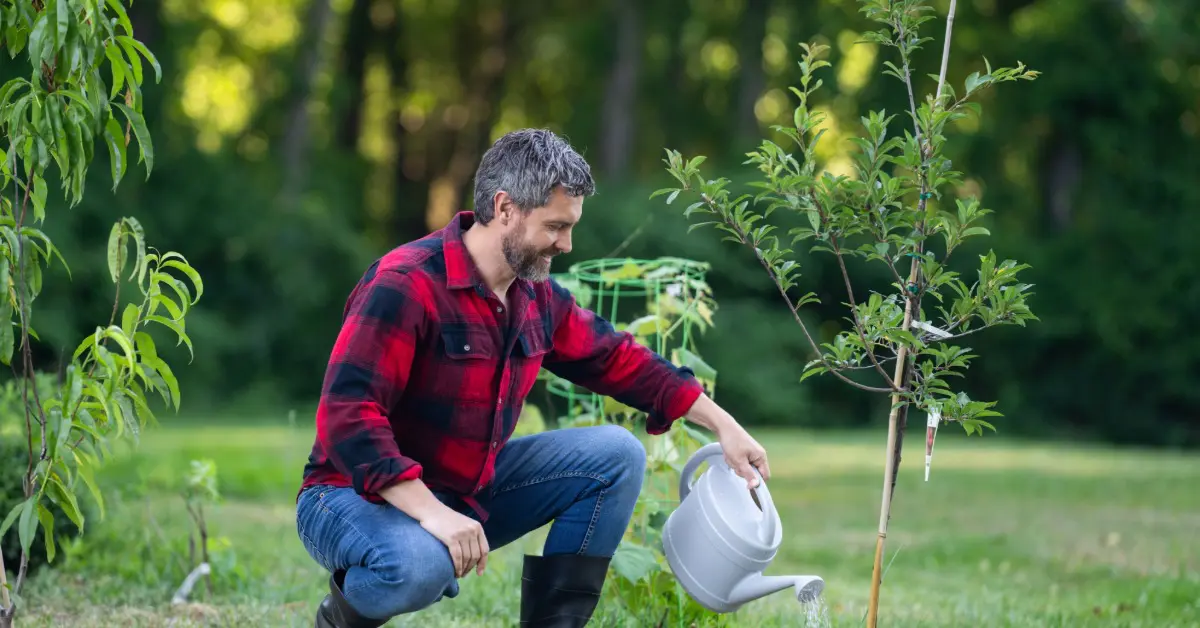
Tree health shifts throughout the year as environmental conditions change, influencing how trees absorb nutrients, retain moisture, and maintain structural balance. Temperature swings, soil movement, and seasonal weather patterns all affect how trees respond to stress, often in ways that are not immediately visible. Without a structured approach to maintenance, these gradual changes can lead to uneven growth or hidden weaknesses that develop.
Seasonal maintenance for healthy trees requires a consistent framework for managing these variables. Each strategy reflects how trees respond during specific parts of the year while addressing both immediate needs and long-term development. Applying these methods in a coordinated way allows property owners to support tree health without relying on reactive care.
1. Inspect Trees at the Start of Each Season
Seasonal transitions provide a natural opportunity to evaluate tree conditions before new environmental pressures take hold. Changes in canopy density, branch positioning, or leaf color reflect issues that developed during the previous season, even when the tree still appears stable. Identifying these patterns early allows for more deliberate planning.
Regular inspections create a record of how a tree responds to different conditions, which supports more informed maintenance decisions. This ongoing awareness makes it easier to recognize when growth patterns shift, or structural concerns begin to form. Consistent evaluation reduces the likelihood of overlooking problems that become more complex later.
2. Adjust Watering Based on Weather Patterns
Water requirements change throughout the year, influenced by rainfall, temperature, and soil composition. Relying on a fixed schedule can lead to overwatering during wet periods or insufficient moisture during extended dry conditions, both of which affect root function. Adjusting watering practices based on current conditions supports a more stable environment.
Monitoring soil moisture provides a clearer picture of what trees actually require. During dry periods, supplemental watering supports continued development, while proper drainage prevents excess moisture from limiting oxygen flow to roots. This approach maintains balance without introducing unnecessary stress.
3. Prune To Maintain Structure and Balance
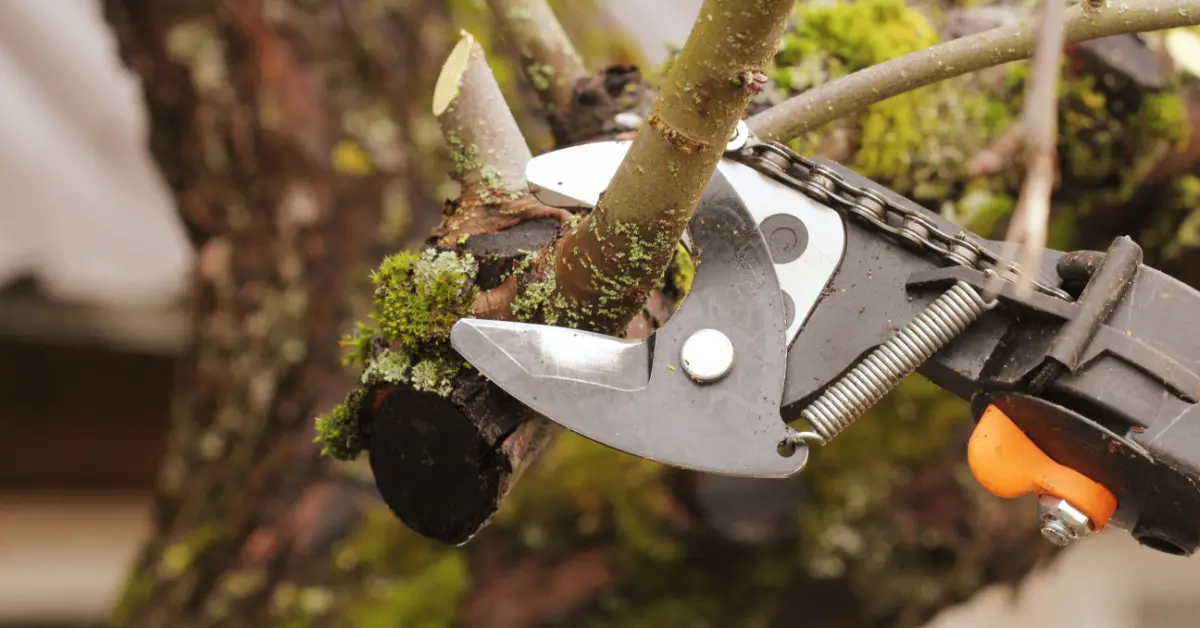
Pruning influences how trees distribute weight and respond to seasonal growth, making it a critical part of maintaining structural integrity. Removing weak, crowded, or poorly positioned branches allows the canopy to develop more evenly while reducing stress on key attachment points. This process shapes how the tree adapts to environmental pressure.
Timing is also important, as pruning during the appropriate season minimizes stress and supports natural growth cycles. Strategic cuts encourage stronger branch development while maintaining balance across the canopy.
4. Apply Nutrients When Trees Can Use Them
Nutrient uptake varies depending on root activity, which makes timing a factor in fertilization. Applying nutrients when roots remain active allows trees to absorb what they need more efficiently, while poor timing can limit effectiveness. Aligning fertilization with seasonal growth patterns produces more consistent results.
Soil conditions should guide how crews introduce nutrients, as imbalances reduce absorption even when fertilizer is present. Targeted applications support controlled growth without encouraging rapid, uneven development. This measured approach keeps nutrient management aligned with actual tree needs.
5. Monitor Soil Conditions Throughout the Year
Soil conditions change as seasons shift, with freezing, thawing, and rainfall all influencing structure and density. These changes affect how water and nutrients move through the soil, which directly impacts root performance. These shifts can limit growth without obvious warning signs.
Maintaining soil quality may involve aeration or adjustments that improve airflow and moisture distribution. When soil structure supports root function, trees respond with more stable and consistent development. Ongoing attention to soil conditions reinforces every other aspect of tree care.
6. Watch for Pest and Disease Activity
Pest and disease activity increase during specific seasons, making awareness of timing an important part of prevention. Early indicators such as discoloration, leaf damage, or unusual growth patterns signal underlying issues that can spread if left unaddressed. Recognizing these signs early supports more effective responses.
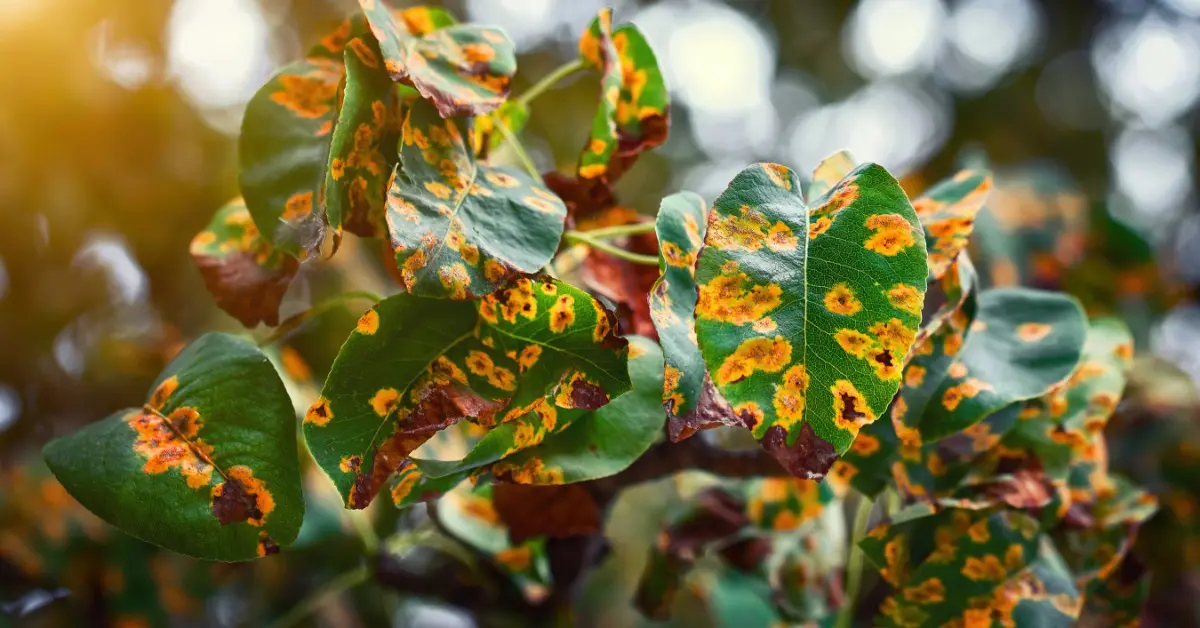
Targeted management focuses on identifying the exact cause before applying treatments, which avoids unnecessary disruption to the surrounding environment. Monitoring activity throughout the year allows for adjustments as conditions change. This supports long-term tree health while limiting avoidable damage.
7. Prepare Trees for Extreme Weather Conditions
Seasonal weather patterns can introduce conditions that place significant stress on trees, including strong winds, heavy snow, and prolonged heat. Preparing trees before these conditions develop reduces the likelihood of structural damage. Preventative care strengthens weak points that may fail under pressure.
This preparation may involve selective pruning or soil adjustments that improve stability and reduce strain on vulnerable areas. Reinforcing structures allow trees to respond more effectively when conditions become severe, and anticipating weather patterns creates a more controlled approach to maintenance.
8. Remove Dead or Damaged Branches Promptly
Dead or damaged branches create weak points within the canopy that can fail when exposed to seasonal stress. Removing these branches improves balance while reducing risk to surrounding areas. Prompt action prevents small issues from developing into larger structural concerns.
Timely removal supports healthier growth by allowing the tree to direct resources toward viable branches. This maintains a cleaner, more stable canopy that responds better to environmental changes and reduces long-term complications.
9. Schedule Professional Maintenance for Consistency
Professional maintenance provides a structured approach that aligns tree care with seasonal changes and site-specific conditions. Arborists evaluate environmental factors to create a plan that reflects actual needs.
When considering deep root tree fertilization, professional services connect nutrient management with broader seasonal strategies. This integration supports both immediate growth and long-term stability while reducing the risk of ineffective applications. Regular service creates consistency that is difficult to achieve through occasional care.
Supporting Long-Term Tree Health Through Seasonal Care
Maintaining tree health throughout the year requires attention to how conditions change and how those changes affect growth, structure, and stability. Each of these seasonal maintenance tips for healthy trees contributes to a more resilient landscape when applied together, particularly when decisions reflect current environmental conditions. Consistent care supports steady development while reducing the likelihood of unexpected issues.
Jackson Tree Service provides locally informed care backed by decades of experience, offering guidance that reflects the specific conditions trees face in the St. Louis area. If your trees require structured maintenance, scheduling deep root tree fertilization in St. Louis as part of a seasonal plan supports stronger growth, improved balance, and long-term stability across your property.