

Storms can change a landscape in a matter of minutes. Strong winds, heavy rain, hail, and lightning often leave trees split, leaning, or scattered across yards and roadways. When damage affects trees near homes, driveways, or utility lines, property owners need fast action and informed decisions to restore safety.
Professional tree services help property owners manage storm-related hazards while protecting healthy trees whenever possible. Certified arborists understand how weather affects tree structure, root systems, and long-term stability. With the right response, homeowners can reduce risks, prevent additional damage, and support recovery after severe weather events.
Why Storm Damage Creates Serious Tree Hazards
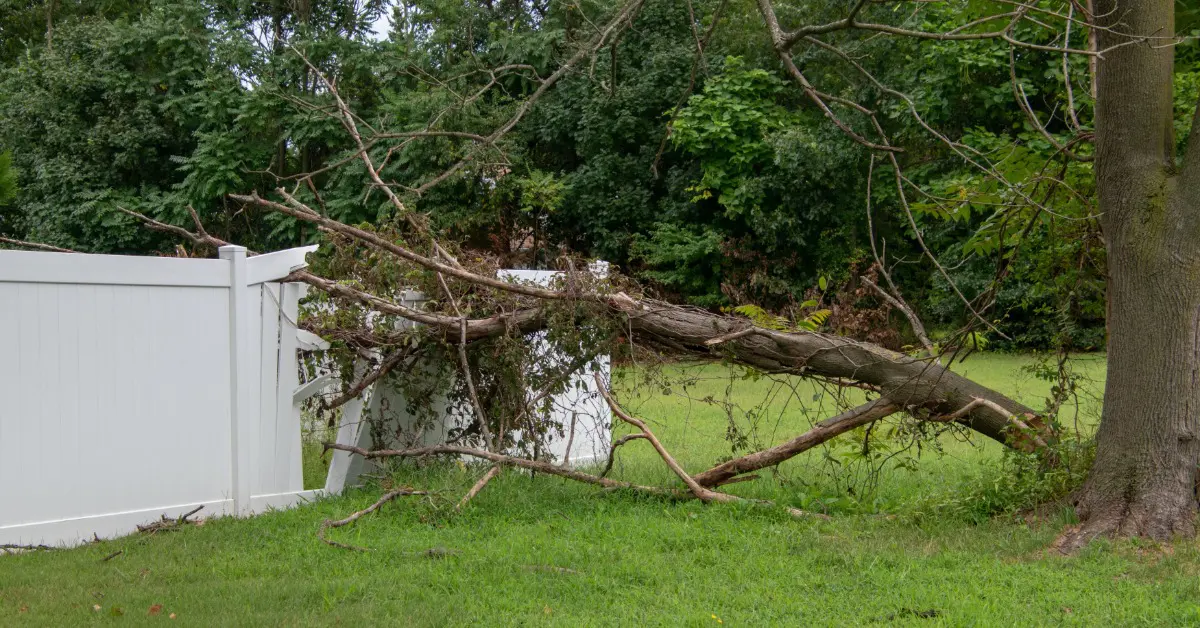
Storm damage weakens trees in ways that property owners cannot always see from the ground. Broken limbs, cracked trunks, and uprooted trees create immediate concerns, but hidden structural issues often develop after the storm passes.
A damaged tree may continue leaning for days before falling. Split branches can remain suspended high in the canopy and drop without warning. Saturated soil can also loosen root systems and make otherwise healthy trees unstable.
These conditions create risks for:
- Homes and garages
- Vehicles and driveways
- Power lines and utility equipment
- Sidewalks and public streets
- Nearby trees and landscaping
Professional inspections help identify which trees require removal, trimming, cabling, or monitoring after a storm.
Signs a Tree Needs Immediate Attention After a Storm
Some storm damage appears obvious right away. Other warning signs develop gradually over the next several days. Property owners should inspect trees carefully from a safe distance and avoid approaching unstable limbs.
Several signs indicate the need for professional tree service:
- Large hanging branches in the canopy
- Fresh cracks in the trunk
- Trees leaning more than usual
- Exposed or lifted roots
- Split trunks or separated bark
- Branches touching utility lines
- Sudden leaf loss during the growing season
- Soil heaving around the base of the tree
Ignoring these warning signs can allow conditions to worsen quickly, especially during additional storms or high winds.
How Tree Services Respond to Storm Emergencies
Storm response begins with securing dangerous areas and evaluating structural risks. Tree crews remove immediate hazards first to restore safe access to homes, streets, and driveways.
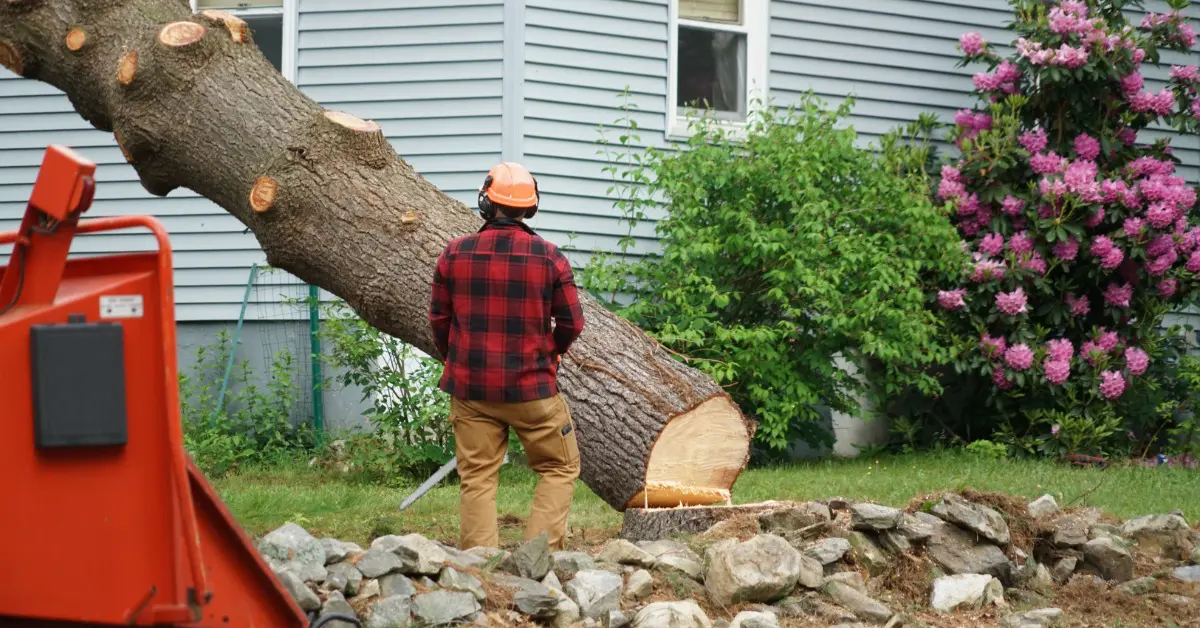
During severe weather events, many homeowners require 24-hour emergency tree removal when fallen trees block entrances or threaten structures. Fast response helps prevent additional property damage and reduces safety risks for residents and pedestrians.
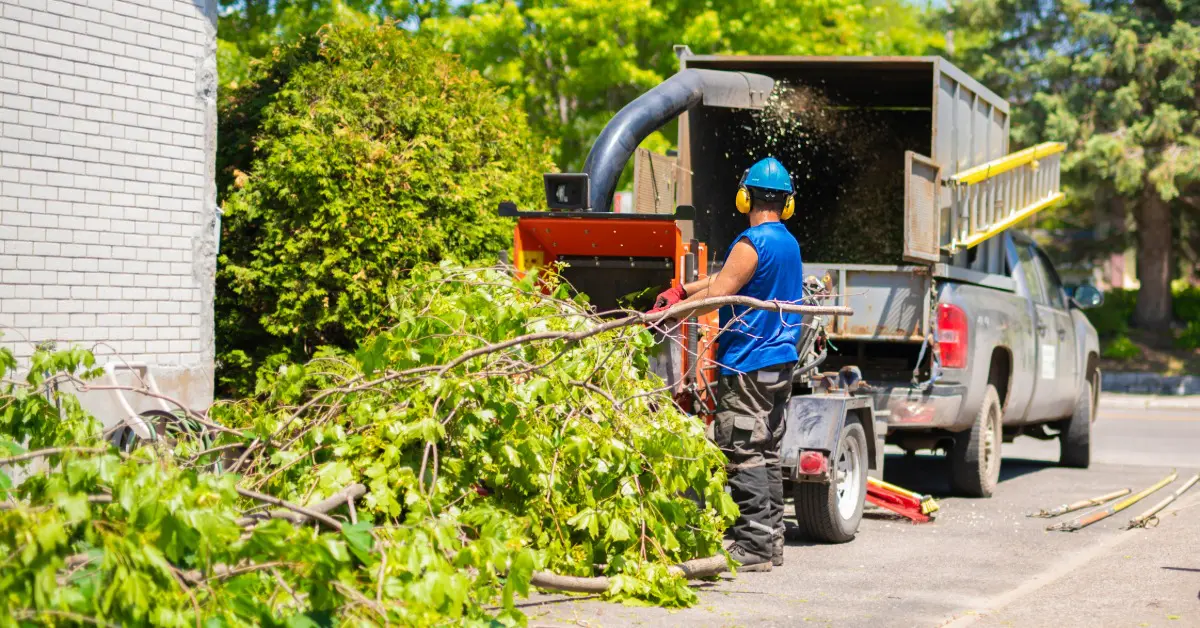
Professional crews use specialized equipment to remove damaged trees carefully without causing further harm to nearby landscaping or buildings. Certified arborists also determine whether a tree can recover through pruning and support systems instead of complete removal.
Why DIY Storm Cleanup Often Creates More Problems
Many property owners attempt storm cleanup with chainsaws, ladders, or rented equipment. Unfortunately, storm-damaged trees behave unpredictably and can shift without warning during cutting.
Branches under tension may spring violently when cut. Leaning trees can twist or collapse unexpectedly. Wet ground and unstable footing also increase the chance of injury.
Professional tree services train crews to manage these hazards safely. They use rigging systems, bucket trucks, cranes, and protective equipment designed specifically for dangerous removals.
Attempting complex storm cleanup without training often leads to:
- Personal injuries
- Property damage
- Equipment accidents
- Improper pruning cuts
- Long-term tree decline
Professional service protects both people and surrounding property during cleanup operations.
The Importance of Fast Tree Inspections After Severe Weather
Not all storm damage requires immediate removal. Some trees recover well with corrective pruning and ongoing care. However, delayed inspections can allow hidden problems to worsen.
Certified arborists evaluate:
- Root stability
- Structural integrity
- Branch attachment strength
- Trunk damage
- Pest vulnerability
- Disease exposure
Storm injuries create openings where insects and decay organisms enter the tree. Fast treatment improves the likelihood of recovery and reduces the chance of future failures.
Tree inspections also help property owners prioritize which issues require urgent attention and which trees need monitoring over time.
How Wind Affects Tree Stability
Wind causes different types of damage depending on tree species, soil conditions, and canopy structure. Trees with dense canopies often catch more wind resistance during storms, increasing the chance of breakage.
Strong gusts may cause:
- Limb failure
- Twisting stress in trunks
- Root plate movement
- Crown imbalance
- Soil compaction around roots
Trees weakened by decay or previous pruning mistakes face even greater risks during storms.
Professional pruning helps reduce excess canopy weight and improves airflow through the branches. Proper structure lowers wind resistance and helps trees tolerate future storms more effectively.
Why Broken Limbs Should Never Remain in a Tree
After a storm, some property owners postpone branch removal because the tree still appears alive. Unfortunately, broken limbs rarely recover once the connection splits or tears.
Damaged branches continue creating hazards because they:
- Weaken the tree structure
- Invite pest activity
- Encourage disease development
- Increase future limb failure risk
- Place stress on healthy limbs
Dead or damaged wood also affects overall tree appearance and long-term growth patterns.
Tree trimming removes compromised limbs while preserving healthy structure whenever possible. Proper cuts support faster healing and healthier regrowth.
How Saturated Soil Impacts Trees After Storms
Heavy rain affects more than branches and trunks. Saturated soil changes root stability and can create delayed failures long after the storm ends.
Roots require oxygen to remain healthy. Waterlogged conditions reduce oxygen levels and weaken root systems over time. Excess moisture may also loosen soil around large trees, especially in compacted urban landscapes.
Property owners should watch for:
- Leaning trunks
- Cracked soil near roots
- Raised ground around the base
- Wilting leaves after heavy rain
- Sudden canopy thinning
Certified arborists assess whether a tree can stabilize naturally or requires removal to prevent collapse.
Preventive Tree Care Reduces Storm Damage Risks
Regular maintenance plays a major role in storm preparation. Healthy trees with strong branch structure tolerate severe weather better than neglected trees.
Preventive care often includes:
- Structural pruning
- Deadwood removal
- Tree health evaluations
- Fertilization programs
- Pest and disease monitoring
- Cabling or bracing support systems
Routine inspections help arborists identify weaknesses before storms expose them. Early intervention often prevents larger problems and reduces emergency service needs later.
Professional pruning also improves branch spacing and weight distribution, which strengthens the canopy during high winds.
Why Certified Arborists Matter During Storm Recovery
Storm-damaged trees require more than basic cutting skills. Arborists understand how trees respond biologically after injuries and how different species recover from stress.
Certified arborists evaluate whether trees can safely recover or whether removal provides the safest option. They also recognize symptoms of internal decay, root instability, and hidden structural failure.
Professional evaluations help property owners avoid unnecessary removals while still addressing safety concerns.
Experienced crews also understand municipal requirements, utility coordination, and proper cleanup procedures following large storms.
Preparing Trees Before Storm Season Arrives
The best time to address storm risks occurs before severe weather develops. Preventive maintenance gives trees stronger structure and reduces weak points that fail during storms.
Property owners benefit from scheduling inspections before peak storm seasons. Arborists can identify overextended limbs, decay pockets, poor branch attachments, and overcrowded canopies before weather creates emergencies.
Preparation also helps reduce cleanup costs and property damage after storms occur.
Healthy trees provide shade, curb appeal, and environmental benefits for decades when they receive proper care and maintenance.
Protecting Property With Professional Tree Services
Storm damage creates urgent safety concerns that require informed action and professional evaluation. Fast response, proper pruning, and careful removal help reduce hazards while supporting long-term tree health whenever possible.
Jackson Tree Service has served the St. Louis community since 1960 with experienced tree care, certified arborist supervision, and safe storm response solutions. Our team helps homeowners and property managers evaluate storm damage, remove dangerous trees, and restore safer outdoor environments with dependable professional care.