

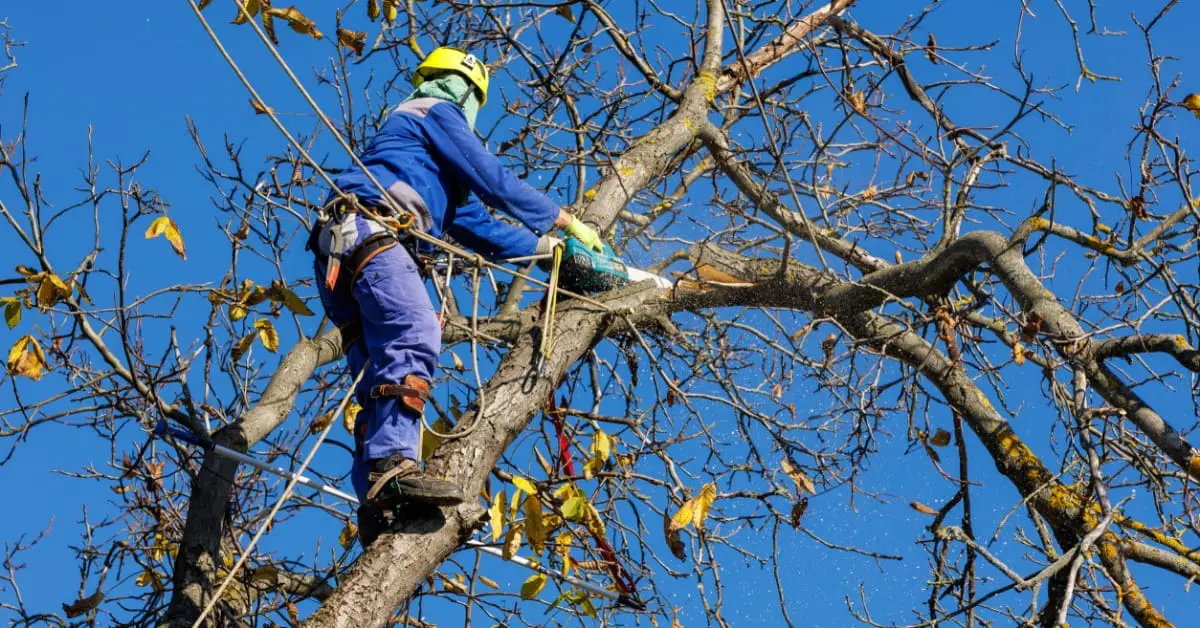
Trees naturally shed branches, but not all limb loss occurs in a controlled or predictable way. Dead or weakened branches can remain suspended in the canopy, creating risks that are not always immediately visible from the ground. These branches may appear stable, yet internal decay or structural failure can cause them to fall without warning, especially during seasonal weather shifts that place additional stress on weakened limbs.
Understanding how to safely remove dead branches provides insight into how targeted removal improves both safety and tree structure. While some branch loss is part of a tree’s lifecycle, unmanaged deadwood can interfere with growth patterns and increase the likelihood of damage across the canopy. Identifying and addressing these concerns early supports a more stable and functional landscape.
What Deadwood Is and Why It Develops
Deadwood refers to branches that no longer receive nutrients or produce new growth, typically from aging, environmental stress, or internal decline. These branches may remain attached for extended periods, even though they have lost structural integrity and flexibility. They become more brittle and prone to breaking under even minor pressure.
Environmental factors, such as drought, storm damage, or disease, can accelerate the development of deadwood within the canopy. As these conditions affect different parts of the tree, dead branches may appear in clusters or spread unevenly across the structure. Recognizing how deadwood forms can provide context for why removal becomes necessary before it creates larger structural concerns.
Risks Associated With Dead Branches
Dead branches create unpredictable hazards, particularly when they hang over areas with regular activity. As structural strength declines, even minor weather changes can cause limbs to detach and fall. This introduces risk to people, vehicles, and nearby structures in ways that are difficult to anticipate without close inspection.
In addition to physical hazards, deadwood can affect how a tree distributes weight across its canopy. Uneven weight distribution places stress on healthy limbs, increasing the chance of additional breakage as pressure shifts throughout the structure. Addressing these risks early reduces the likelihood of larger structural failures that require more extensive intervention.
How Deadwooding Improves Tree Structure
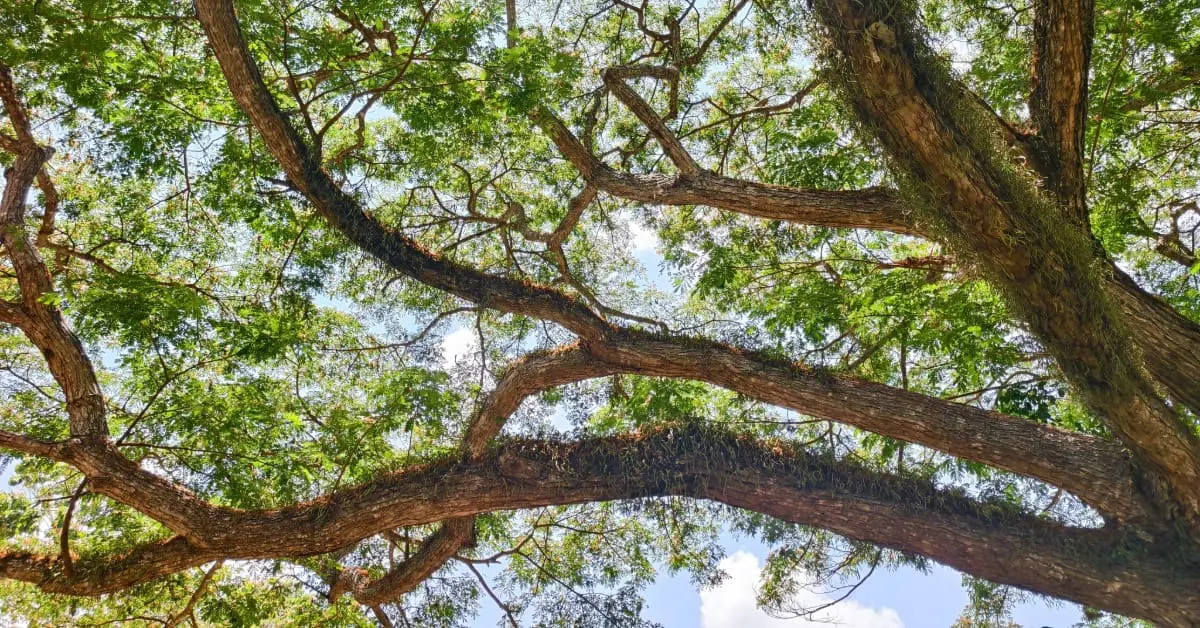
Removing dead branches allows the tree to redirect resources toward healthy growth, which can improve overall structure. Without the added weight of non-functioning limbs, the canopy becomes more balanced and stable. This change supports stronger branch development and reduces unnecessary strain on the remaining structure.
Deadwooding can influence how the tree responds to environmental conditions, including wind and precipitation. A more balanced canopy distributes external forces more evenly, which lowers the risk of breakage during storms and high-wind events. These structural improvements contribute to long-term resilience.
Tools and Techniques Used by Professionals
Deadwooding requires more than simply cutting away visible dead branches, as improper removal can damage surrounding limbs or create additional stress points. Professionals use specialized tools designed to make clean, controlled cuts that promote proper healing. This approach minimizes the risk of introducing decay or creating weak attachment points that affect future growth.
Techniques vary depending on branch size, location, and the overall structure of the tree. Careful positioning and controlled cutting methods allow for safe removal without disrupting healthy growth patterns or altering the balance of the canopy. This level of precision reflects a more deliberate approach than general trimming methods.
Identifying Dead vs. Dormant Branches
Distinguishing between dead and dormant branches can be challenging, especially during certain seasons when growth is not immediately visible. Dormant branches may appear inactive but still retain the ability to produce new growth when conditions shift. Removing these branches unnecessarily can disrupt natural development and reduce future canopy density.
Dead branches, on the other hand, show consistent indicators, such as brittle texture, lack of buds, or peeling bark. Identifying these differences requires close inspection and an understanding of how trees respond to seasonal cycles. Accurate identification prevents unnecessary removal while focusing attention on actual hazards that affect structural integrity.
When Deadwooding Should Be Performed
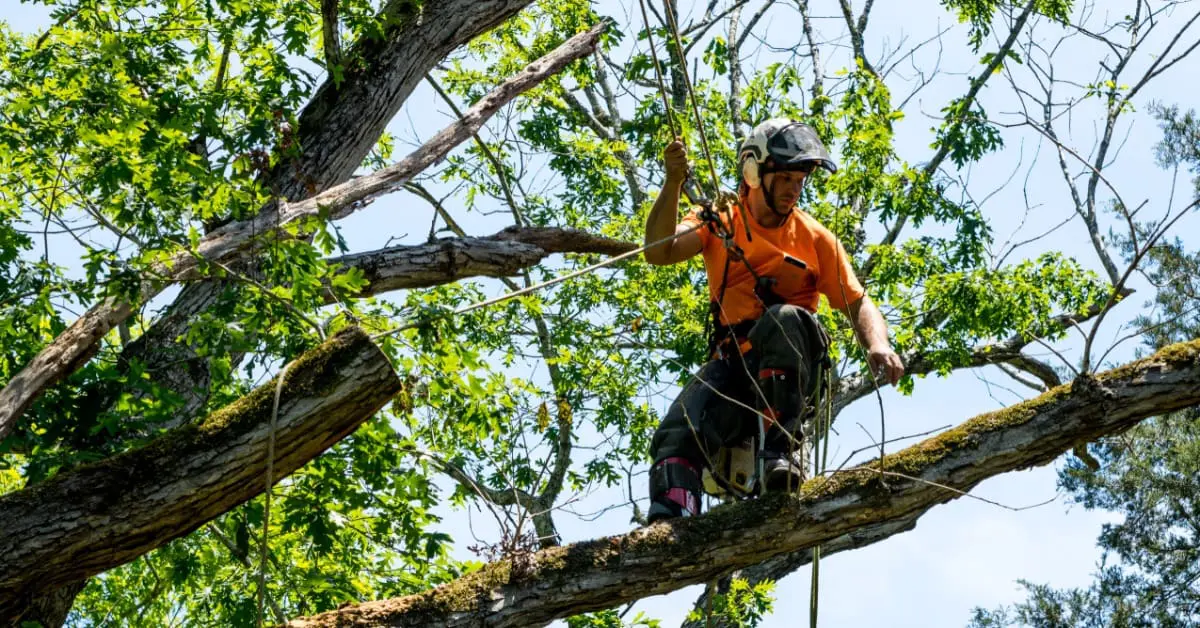
Timing is a factor in how effectively deadwooding supports both safety and structural integrity. While arborists can remove dead branches throughout the year, certain conditions influence how easily they access them and how the tree responds. Seasonal visibility and weather patterns also influence this decision.
Addressing deadwood before periods of severe weather reduces the likelihood of unexpected branch failure. Planning removal with these conditions in mind allows for a more controlled and preventative approach that limits emergency situations, and strategic timing supports safer outcomes while improving overall efficiency.
Benefits for Long-Term Tree Health
Deadwooding contributes to long-term tree health by removing elements that no longer serve a functional purpose. This process allows the tree to allocate energy more efficiently, supporting growth in areas that remain viable. This redistribution strengthens overall structure and stability while reducing internal strain.
Removing dead branches can improve airflow and light penetration within the canopy, which supports healthier internal conditions. These changes create an environment where growth occurs more evenly throughout the tree and reduces congestion within dense areas. The result is a more balanced and resilient structure that responds better to environmental stress.
Why Professional Handling Reduces Risk
Handling deadwood involves working at height, managing falling debris, and making decisions that affect the entire structure of the tree. Without proper equipment or experience, these tasks can introduce additional risks. Professional handling reduces these variables through controlled and methodical approaches that prioritize safety.
Using deadwood tree services allows for a more comprehensive evaluation of the tree before removal begins. This process considers structural integrity, branch positioning, and surrounding conditions to determine the safest approach. A professional assessment supports safer outcomes while maintaining the health and balance of the tree.
Supporting Safer, Healthier Tree Growth
Managing deadwood requires maintaining both safety and structural balance within a landscape. While some branch loss occurs naturally, allowing dead limbs to remain can create risks that extend beyond the tree itself and affect surrounding areas. Addressing these concerns through properly removing dead branches safely in a predictable environment reinforces the value of deadwooding.
Jackson Tree Service applies experienced evaluation and precise removal techniques to improve tree conditions while reducing potential hazards. When dead branches begin to accumulate or pose a risk, scheduling a removal service provides a clear path toward safer and more stable tree growth while maintaining the integrity of the surrounding property.