

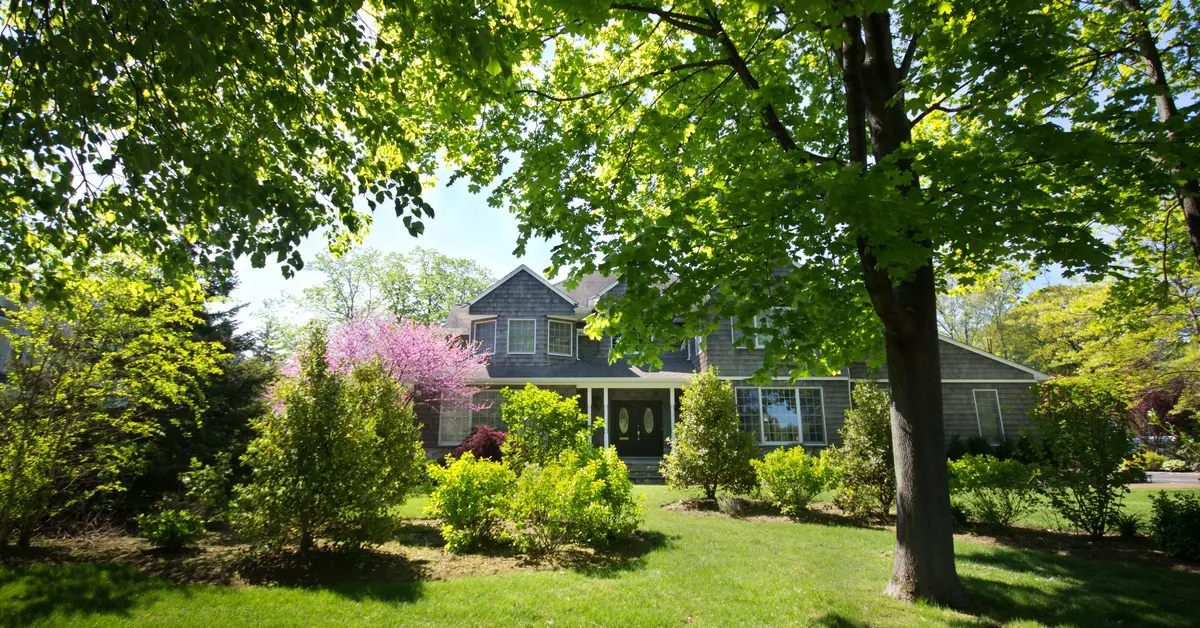
Tree health reflects a combination of soil conditions, seasonal changes, and ongoing maintenance decisions that influence how trees grow and respond to stress. Local environments introduce variables, such as fluctuating moisture levels, compacted soil, and pest activity, all of which shape how effectively a tree can sustain balanced development. When these factors shift without proper attention, small issues can progress into structural concerns or long-term decline.
Understanding plant health care strategies for local trees provides a structured approach to managing these variables with greater precision. Each strategy focuses on a specific aspect of tree health while contributing to a more stable and resilient system. Applying these methods in coordination supports stronger growth patterns and reduces the likelihood of avoidable damage.
1. Monitor Tree Health Through Regular Inspections
Routine inspections allow property owners to identify early signs of stress before they develop into more complex issues. Changes in leaf color, canopy density, or branch positioning signal underlying conditions that require attention, even when the tree still appears stable briefly. Consistent observation creates a timeline of changes that support more accurate decision-making.
Tracking these patterns allows for earlier intervention when irregularities appear, which reduces the likelihood of sudden decline. Inspections also reveal subtle shifts in structure or growth direction that may affect long-term stability.
2. Maintain Proper Pruning Practices
Pruning shapes the way a tree develops by guiding branch structure, weight distribution, and overall balance within the canopy. Removing weak or poorly positioned branches reduces stress while encouraging stronger growth patterns that align with the tree’s natural form. Each cut influences how the tree allocates resources moving forward.
Improper pruning introduces unnecessary stress and can weaken structural integrity if cuts disrupt the tree’s natural growth pattern. Applying correct techniques supports both durability and long-term development, especially when pruning decisions reflect the tree’s current condition. Consistent, well-planned pruning contributes to a more stable canopy that responds better to environmental pressure.
3. Improve Soil Conditions for Root Development
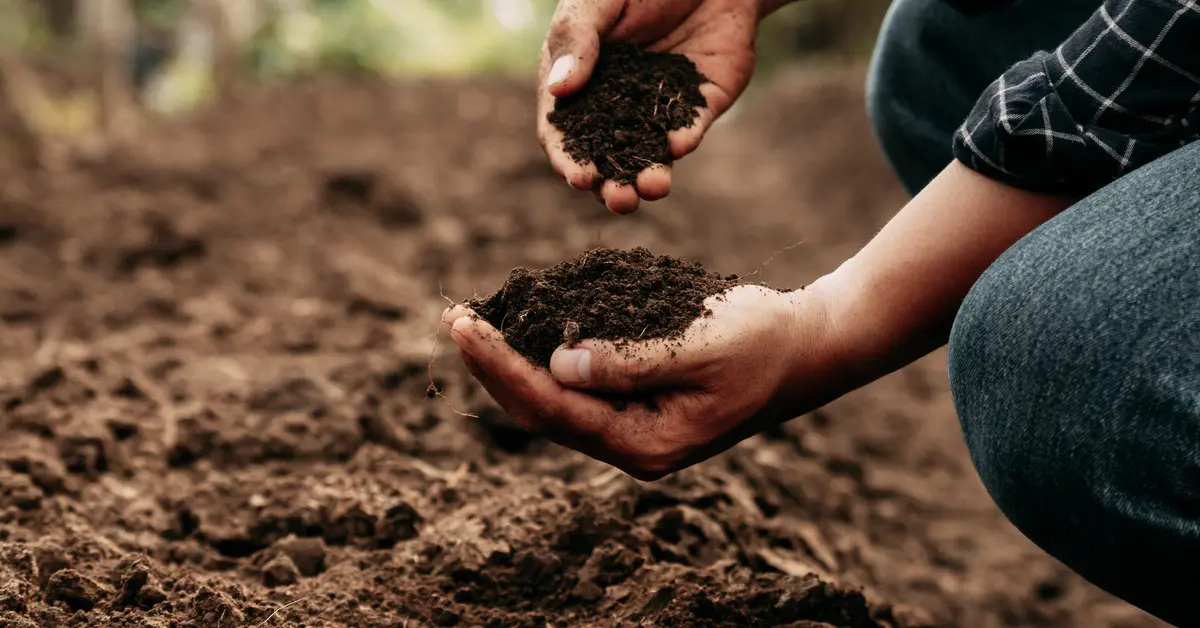
Soil quality directly influences how effectively roots access water, oxygen, and nutrients, which makes it a foundational component of tree health. Compacted or nutrient-deficient soil restricts root expansion and limits how efficiently a tree can sustain growth. These limitations may not appear immediately in the canopy, but they affect long-term stability.
Improving soil structure through aeration or organic amendments creates conditions where roots can expand and function more effectively. When soil supports proper movement of air and moisture, nutrient uptake becomes more consistent across the root system. This improvement strengthens the tree while supporting more predictable growth patterns.
4. Manage Watering Based on Seasonal Needs
Water requirements shift throughout the year based on temperature, rainfall, and soil composition, which makes consistent watering practices essential for maintaining balance. Overwatering can saturate roots and limit oxygen availability, while insufficient watering can lead to stress that affects both growth and structure. Matching water levels to seasonal conditions creates a more stable environment.
Monitoring soil moisture allows adjustments that reflect real-time conditions. During extended dry periods, supplemental watering supports continued development, while proper drainage prevents excess moisture from disrupting root function. This supports steady growth while reducing unnecessary stress.
5. Address Pest Activity Before It Spreads
Pest activity can weaken trees by disrupting normal growth processes and damaging critical structures such as leaves, bark, or internal tissue. Early indicators, including discoloration or irregular growth patterns, signal the presence of pests before widespread damage occurs. Identifying these signs quickly limits how far the issue can spread.
Targeted responses focus on the specific pest affecting the tree, which prevents unnecessary treatments that may disrupt the surrounding environment. Controlling infestations early reduces long-term damage while preserving the tree’s condition.
6. Identify and Manage Tree Diseases
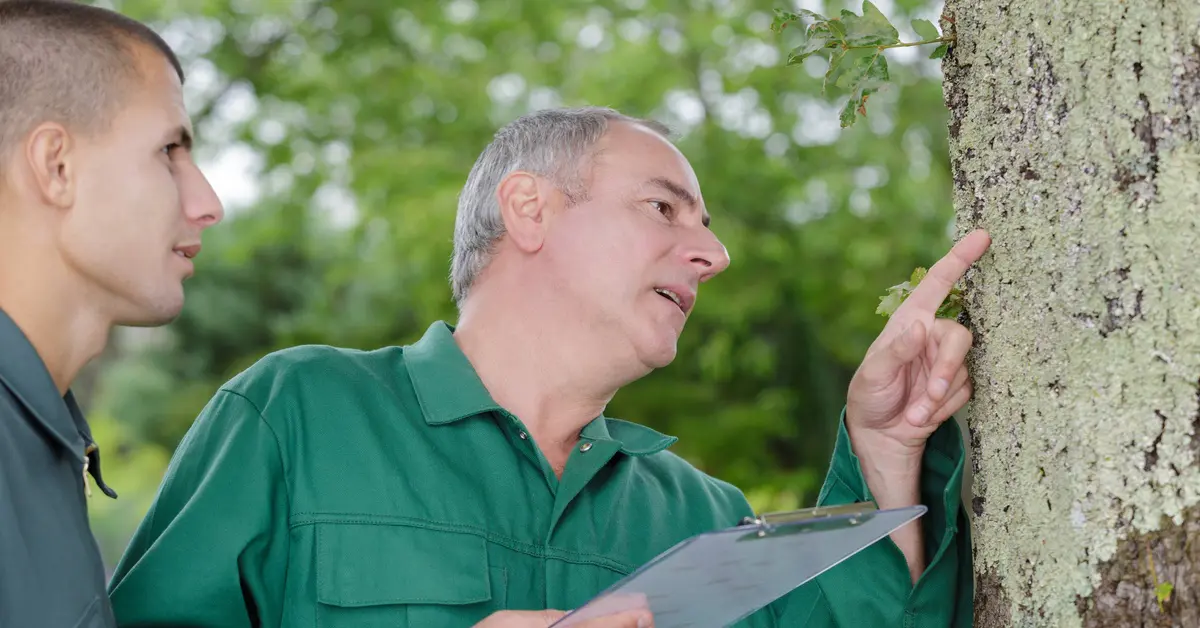
Tree diseases affect different parts of the structure, from leaves and branches to root systems, and they progress gradually if left unaddressed. Recognizing patterns, such as leaf spotting, cankers, or branch dieback, allow for earlier intervention before the condition spreads further. These indicators provide insight into how the disease is affecting the tree internally.
Managing disease requires isolating affected areas and applying treatments that align with the specific condition. Accurate identification supports more effective responses, which improves the likelihood of stabilizing the tree. Addressing disease early reduces structural impact and limits long-term damage.
7. Support Structural Stability With Strategic Care
Tree structure determines how well it can withstand external forces such as wind, heavy rain, or shifting soil conditions. Weak branch attachments or uneven growth patterns create points of vulnerability that increase the risk of failure under pressure. Addressing these concerns strengthens the framework of the tree.
Strategic care includes selective pruning and structural adjustments that redistribute weight more evenly across the canopy. These changes reduce strain on vulnerable areas while improving the tree’s ability to respond to environmental stress. A more balanced structure supports durability and consistent growth.
8. Apply Nutrient Management When Needed
Nutrient availability determines how trees grow and maintain canopy density, particularly when soil conditions limit access to essential elements. Deficiencies can lead to discoloration, reduced growth, or weakened structure that affects overall stability. Identifying these imbalances allows for more precise intervention.
Targeted nutrient applications based on soil conditions support controlled growth without introducing unnecessary excess. When nutrients align with what the tree requires, development becomes more consistent and sustainable.
9. Schedule Professional Evaluations for Long-Term Care
Professional evaluations provide a deeper understanding of tree health by examining factors that may not be visible during routine inspections. Arborists assess structural integrity, soil conditions, and environmental influences to develop a comprehensive care strategy. This level of analysis supports more informed decisions.
When considering tree pruning, professional insight connects pruning practices with broader plant health care strategies. An integrated approach aligns immediate maintenance with long-term development goals, and regular evaluations create a proactive framework that supports stability.
Building a Strong Foundation for Tree Health
Maintaining tree health requires consistent attention to changing conditions, along with a structured approach that addresses both visible and underlying concerns. Each of these plant health care strategies for local trees contributes to a more resilient landscape when applied together, especially when decisions reflect real-time conditions. Acting early allows trees to develop with fewer disruptions while reducing the likelihood of larger structural issues.
Jackson Tree Service brings decades of local experience and certified arborist expertise to every evaluation, offering guidance that reflects the specific conditions found throughout the area. If your trees show signs of stress or uneven growth, scheduling St. Louis County tree pruning as part of a broader care plan supports stronger, more balanced development while improving long-term stability.